Replacement
AC replacement and new installs in St. Petersburg, Florida
A new central air system is a large, once-in-many-years purchase. Call to go over it with an independent HVAC contractor who installs in St. Petersburg and nearby towns.
(727) 292-1764Signs a replacement belongs on the table
One failed capacitor does not mean a new system. A pattern does. Contractors tend to raise replacement when several of these line up:
- The compressor or the indoor coil has failed outright.
- Repairs have come back within the same summer.
- The outdoor fins and cabinet have corroded badly in the salt air.
- The house has changed: an addition, a converted garage or new windows.
- The system was flooded or sat in storm surge.
Sizing comes from a load calculation
Equipment should be sized for the house as it stands today, not copied from the label of the old unit. The Florida Building Commission's guidance on the 2023 efficiency change points builders to the code's equipment sizing section, R403.7, along with the energy rules.
In practice that means a load calculation that accounts for the walls, windows, insulation, roof and which way the house faces. An oversized system cools the air quickly and shuts off before it pulls much moisture out, which in a humid place like St. Pete leaves rooms cool but clammy. Ask each contractor to show the numbers they used.
Source: Florida Building Commission guidance on the 2023 central AC efficiency standard (PDF).
Matched indoor and outdoor parts
A central split system has an outdoor condenser with the compressor, an indoor coil and a blower in an air handler or furnace cabinet, and the ducts. Replacing only the outdoor half can leave an older indoor coil that does not suit the new equipment. Ask whether the quote replaces both sides, and if not, why the contractor thinks the indoor coil can stay.
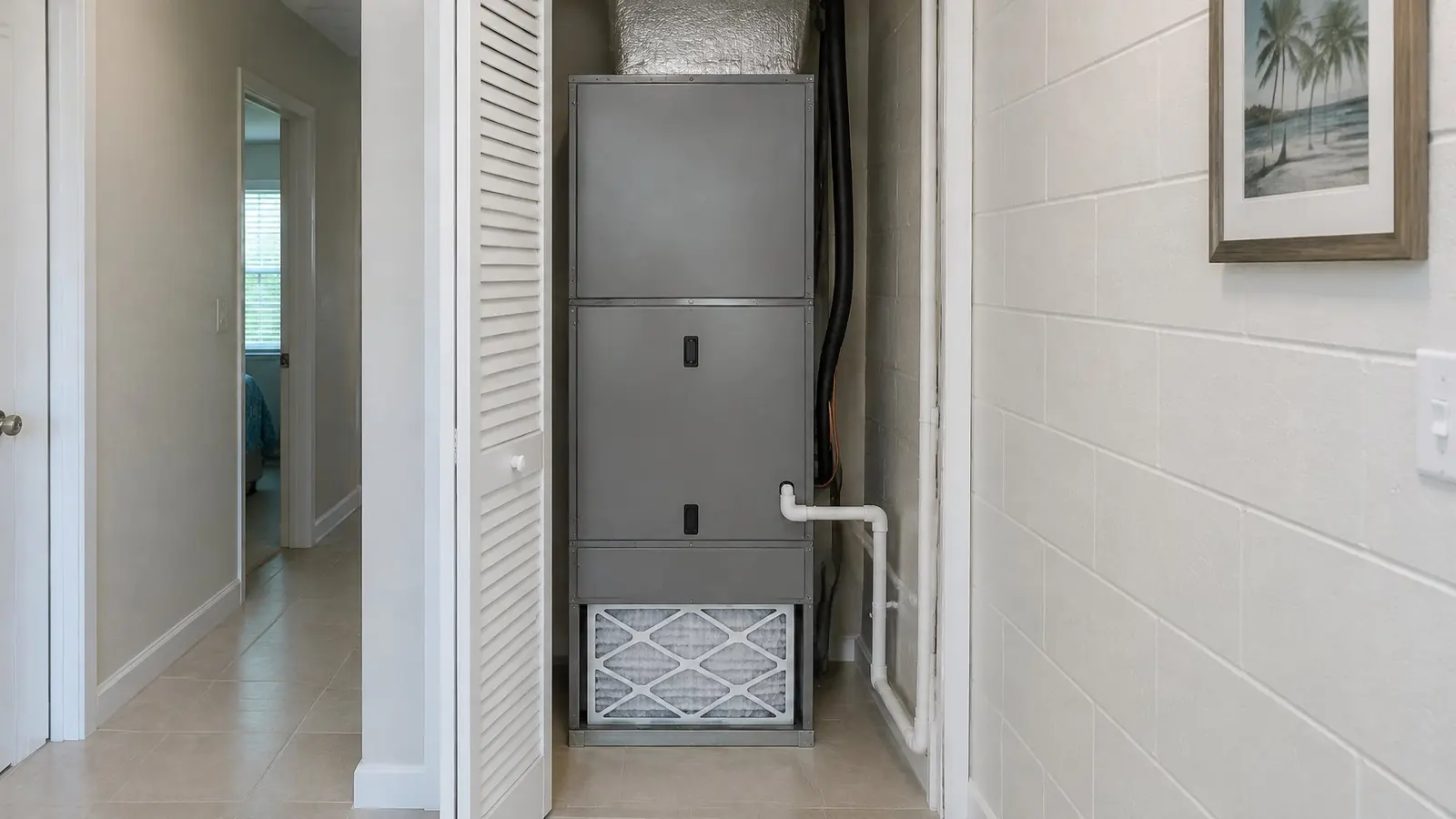
In some houses the air handler sits in a hallway closet or the garage rather than an attic. Closet installs bring their own questions about the drain, the filter slot and how much room the new cabinet needs.
Efficiency ratings and refrigerant
A new federal efficiency standard for central air conditioners took effect on January 1, 2023, and equipment is now rated in SEER2. Ask each contractor for the SEER2 rating of the matched system they propose, not just the outdoor unit.
Refrigerant is the other moving part. In May 2026 the EPA removed the January 1, 2026 installation deadline for home systems built or imported before 2025 that use higher-impact refrigerants, so that stock can still be installed until it runs out. Newer systems use different refrigerants. Ask which one the quoted system uses and how parts and service for it are expected to work over the life of the equipment.
Sources: Florida Building Commission (PDF); EPA fact sheet, May 2026 (PDF).
Ducts decide how well the new system performs
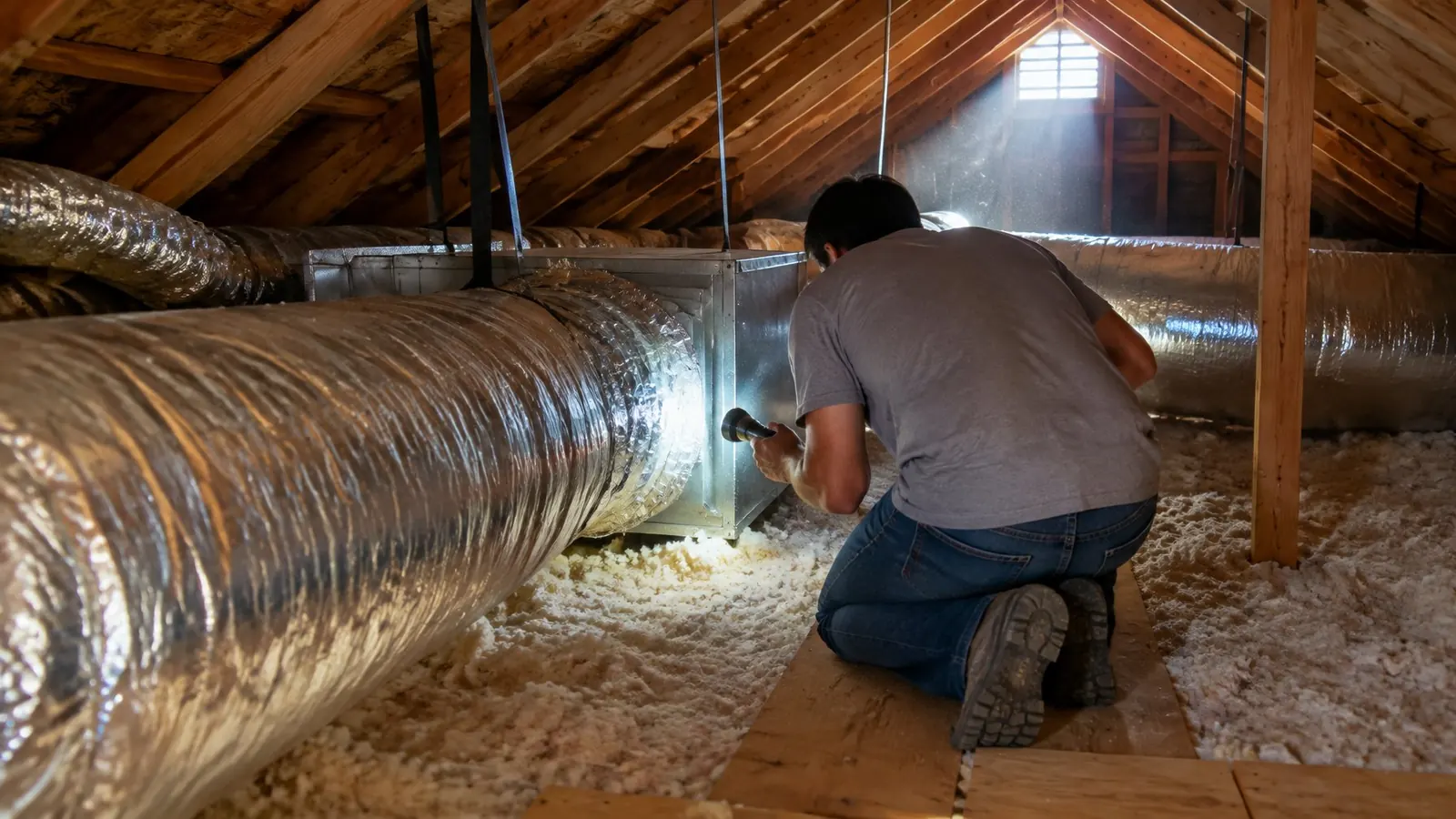
A new system on leaky or crushed ducts will still run long and cool unevenly. When ducts run through a hot attic, a loose joint there wastes cooled air. Ask for the ducts to be inspected, and for any sealing or replacement to be priced as its own line.
Permits in St. Petersburg
The city's building department says a new 2026 permit exemption for small jobs on single-family homes does not extend to mechanical, electrical, plumbing or gas work, so plan on a permit for an AC change-out. Ask who pulls it. In most cases the licensed contractor does, and the department notes that unclear contractor license status with the Pinellas County board can hold up inspection scheduling.
Keep the permit number, the final inspection result, the model and serial numbers and the warranty registration papers together.
What changes the price
System capacity and efficiency, single-stage or variable-speed equipment, whether both halves are replaced, duct work, a new stand or platform for the outdoor unit, electrical upgrades, the thermostat, the permit and how hard the equipment is to reach. Get written scopes that list the same items so you can compare them line by line.
Settle these before you sign
Which parts are new?
Condenser, indoor coil, air handler, thermostat, pad or stand, line set.
Was a load calculation done?
Ask to see it or a summary.
What happens to the ducts?
Inspect, seal, replace or leave as is, in writing.
Who handles the permit and inspection?
And who needs to be home for it.
What does the warranty cover?
Parts and labor are often separate, and registration may have a deadline.
What is the license number?
Check it on the state search before work starts.
Questions homeowners ask
Can the new outdoor unit go higher off the ground?
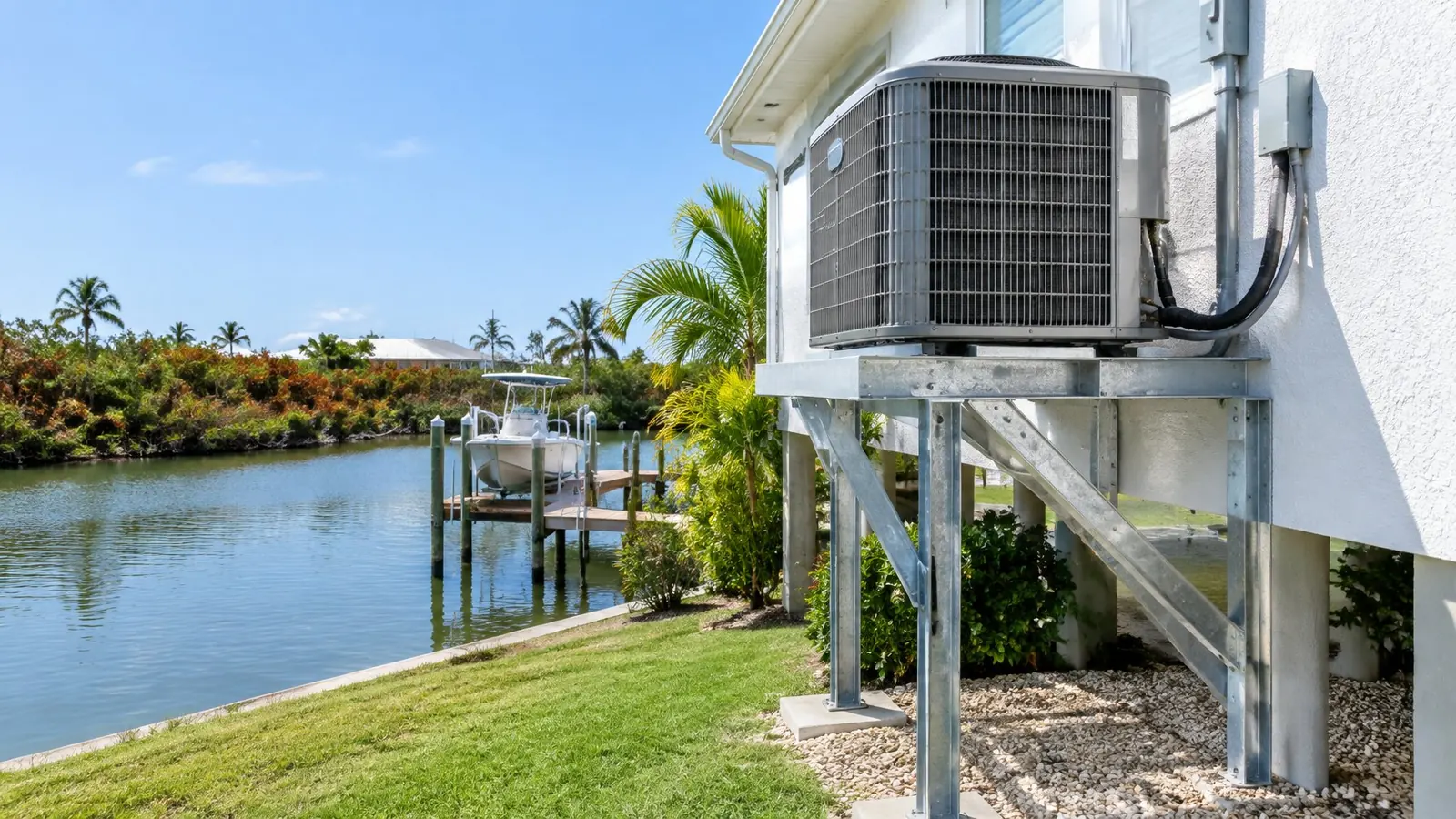
Often, yes, on a stand or platform. The city lists raising HVAC equipment among its tips for rebuilding after storms. The contractor and the permit office decide what height and support are acceptable for your lot.
Do I have to replace the air handler too?
Not always, but a mismatched indoor coil can hold the new equipment back. Ask each contractor to explain their choice in writing so you can compare.
Can I replace the system myself?
Florida has an owner-builder exemption with strict conditions, including personal supervision and a signed disclosure statement (section 489.103). Refrigerant handling and electrical work add further rules, so most owners hire a licensed contractor.
Talk it through with an independent contractor
Ring from St. Petersburg, Florida or a neighboring town and mention which rooms stay warm, what the thermostat reads and roughly how old the equipment is. Scope and price stay between you and that independent company.